A Wool’s portrait
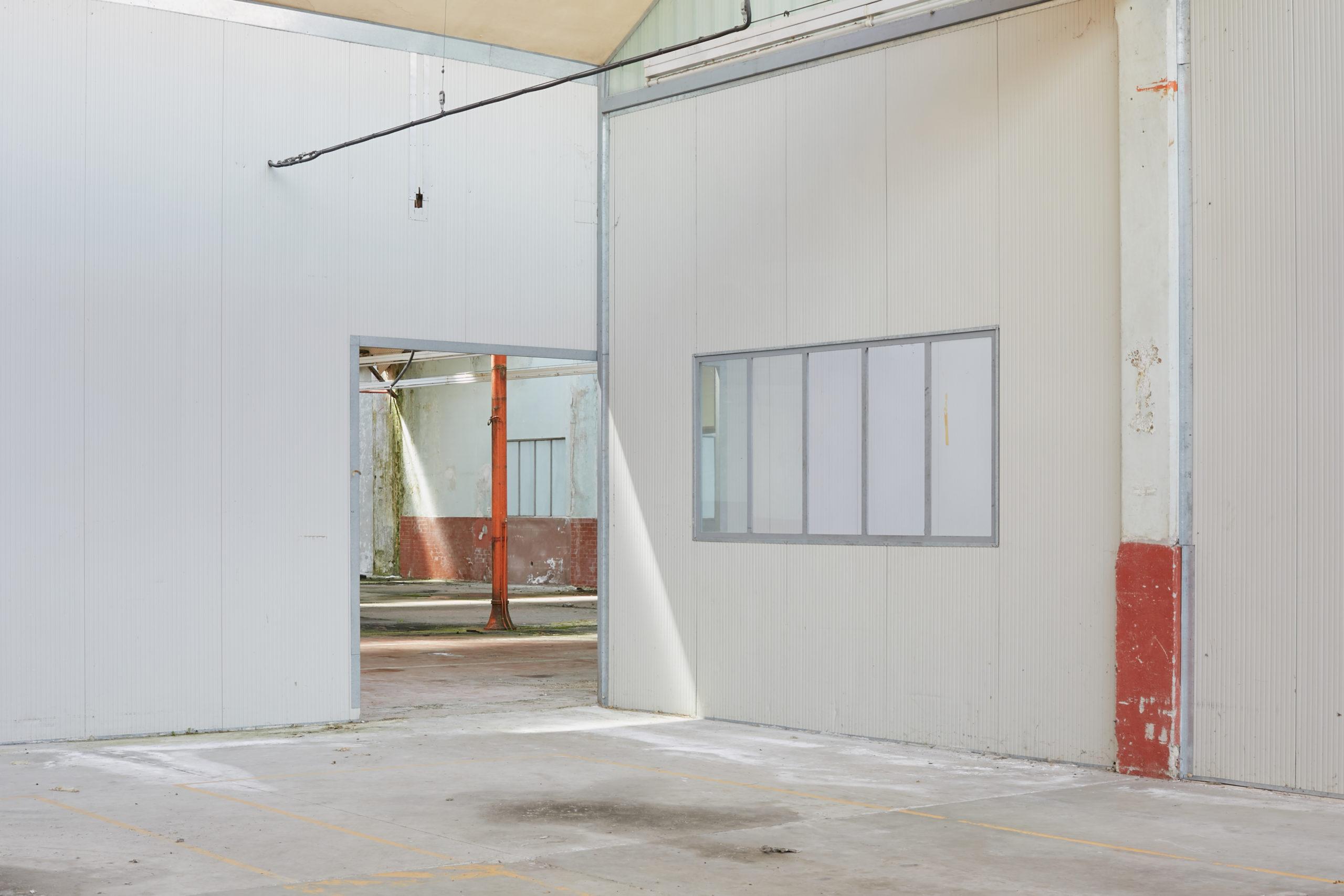
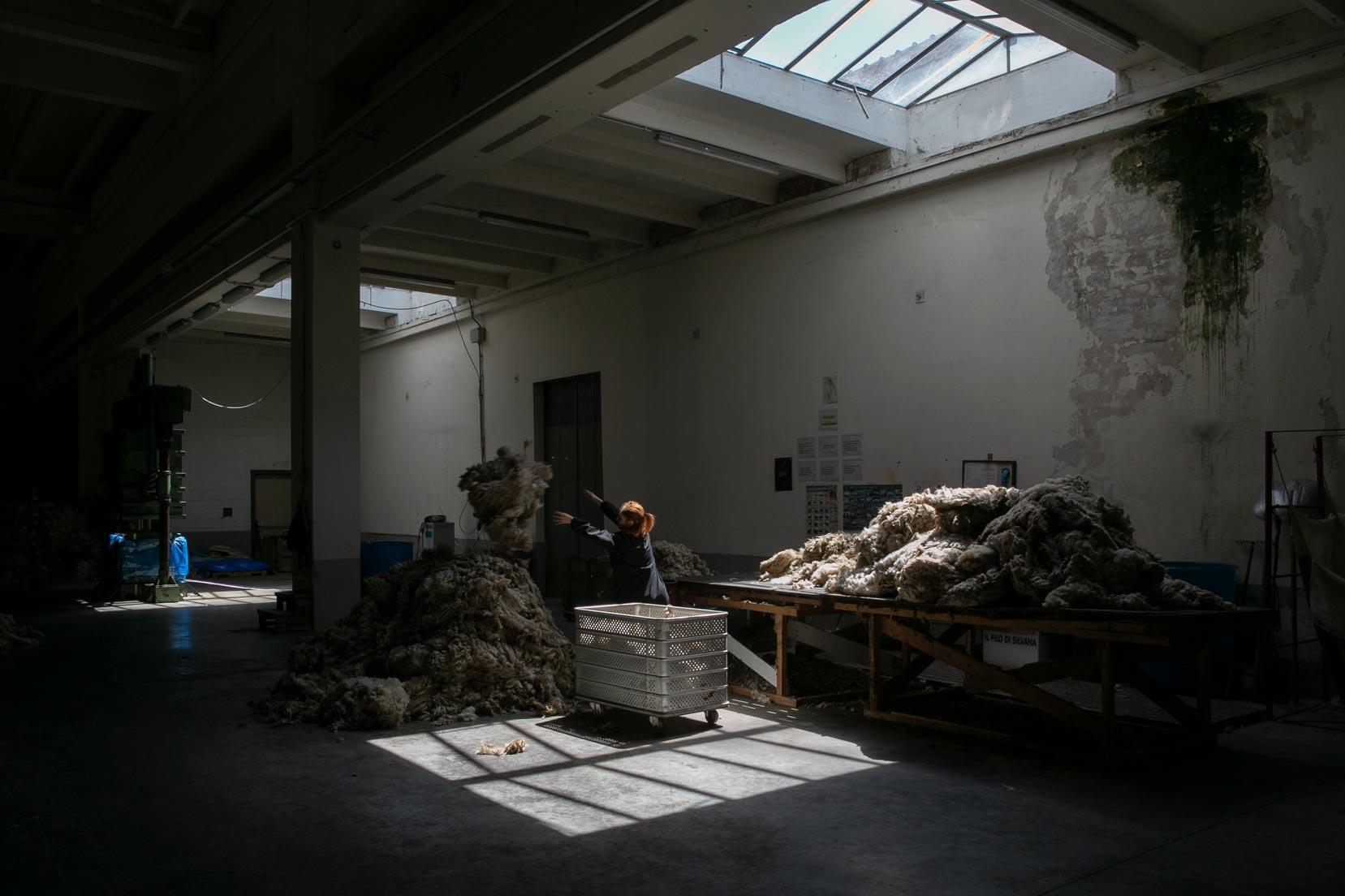
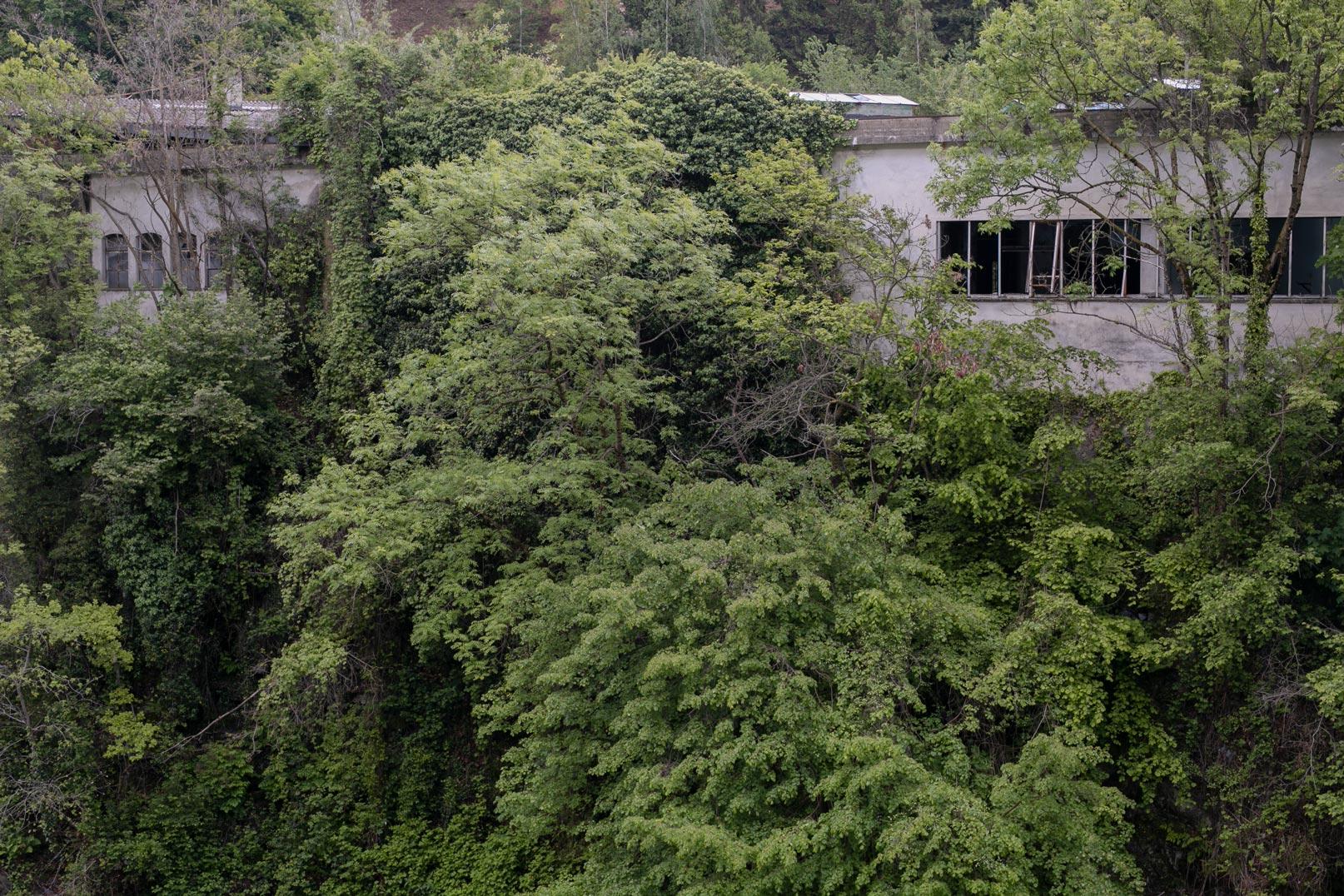
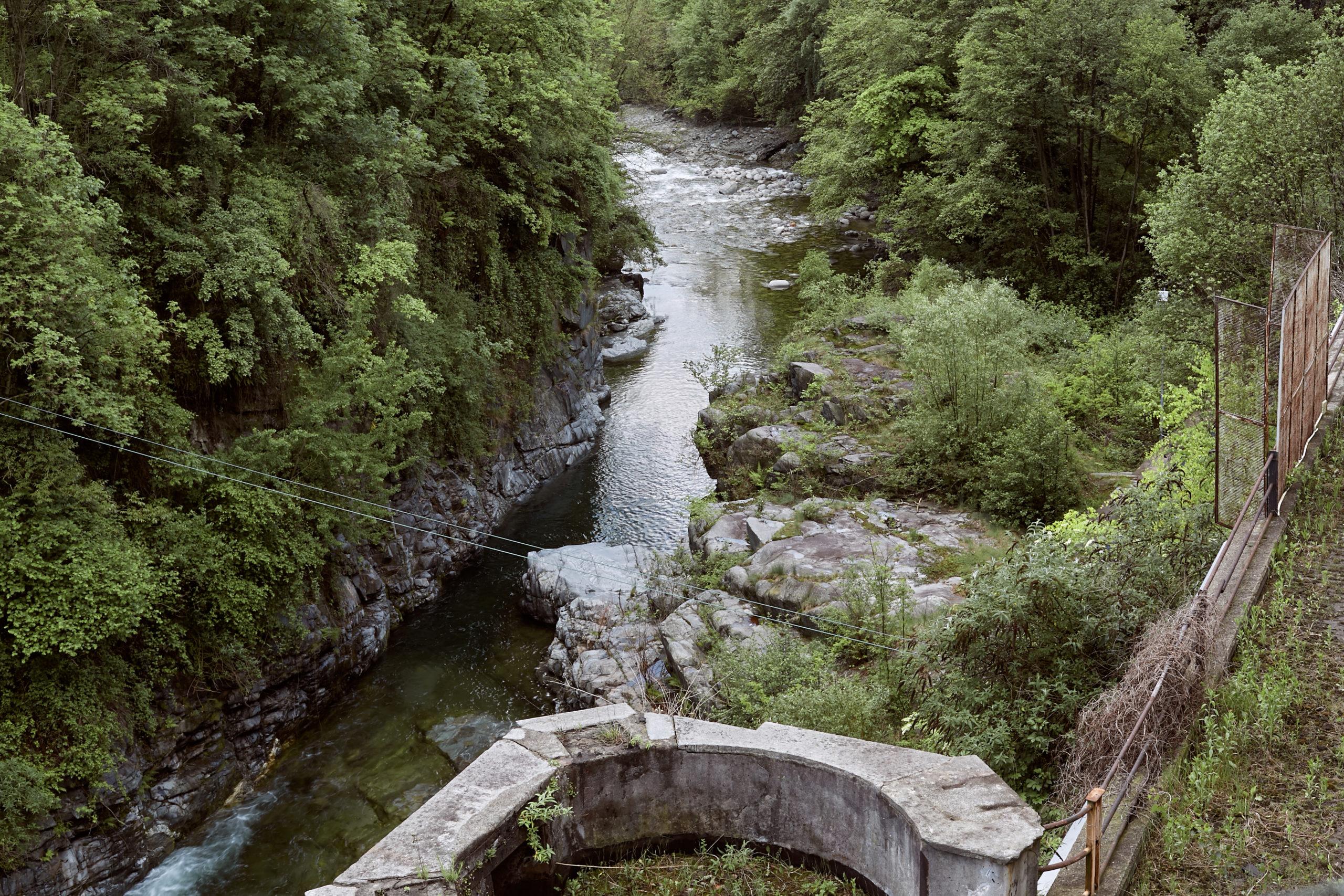
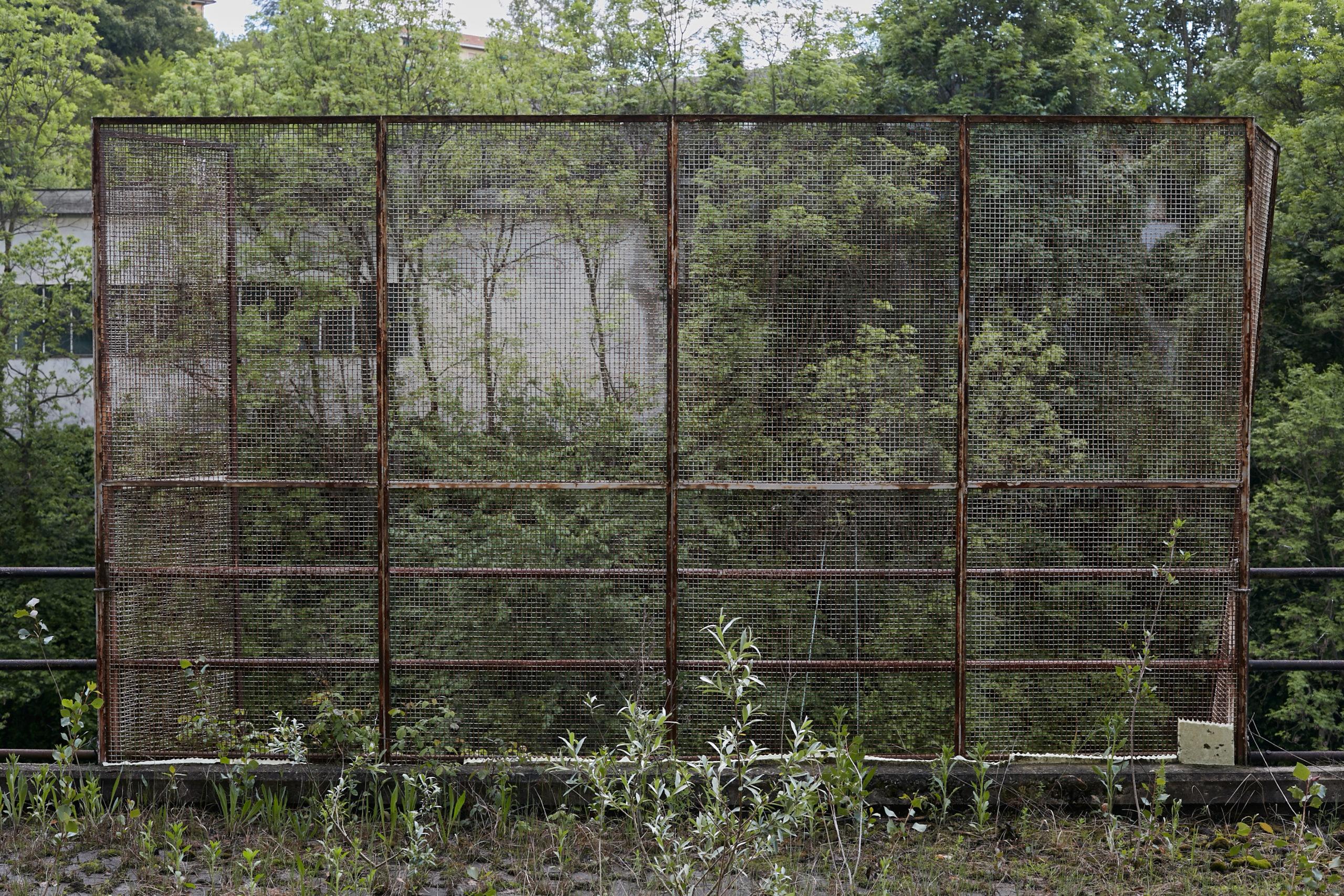
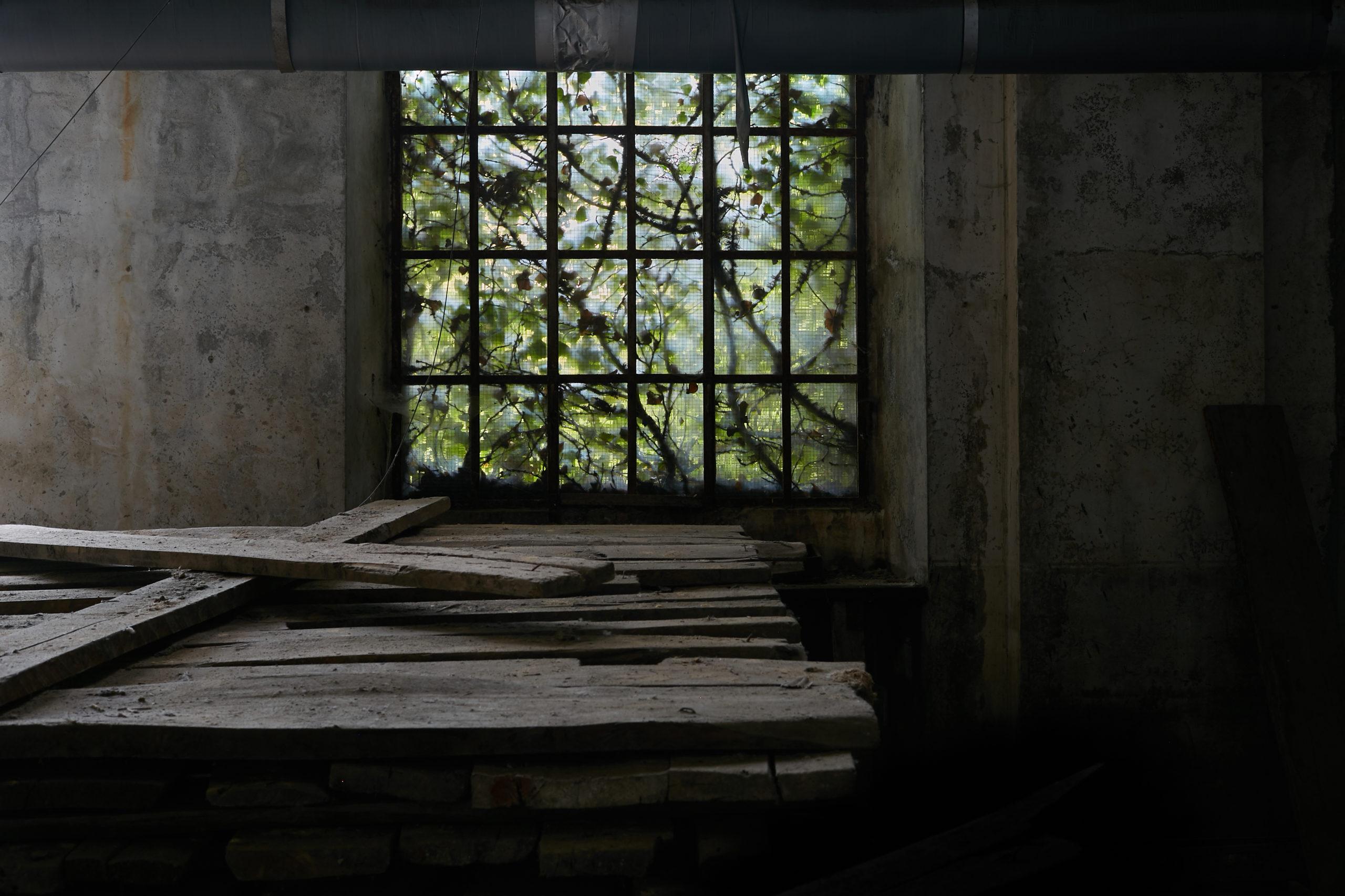
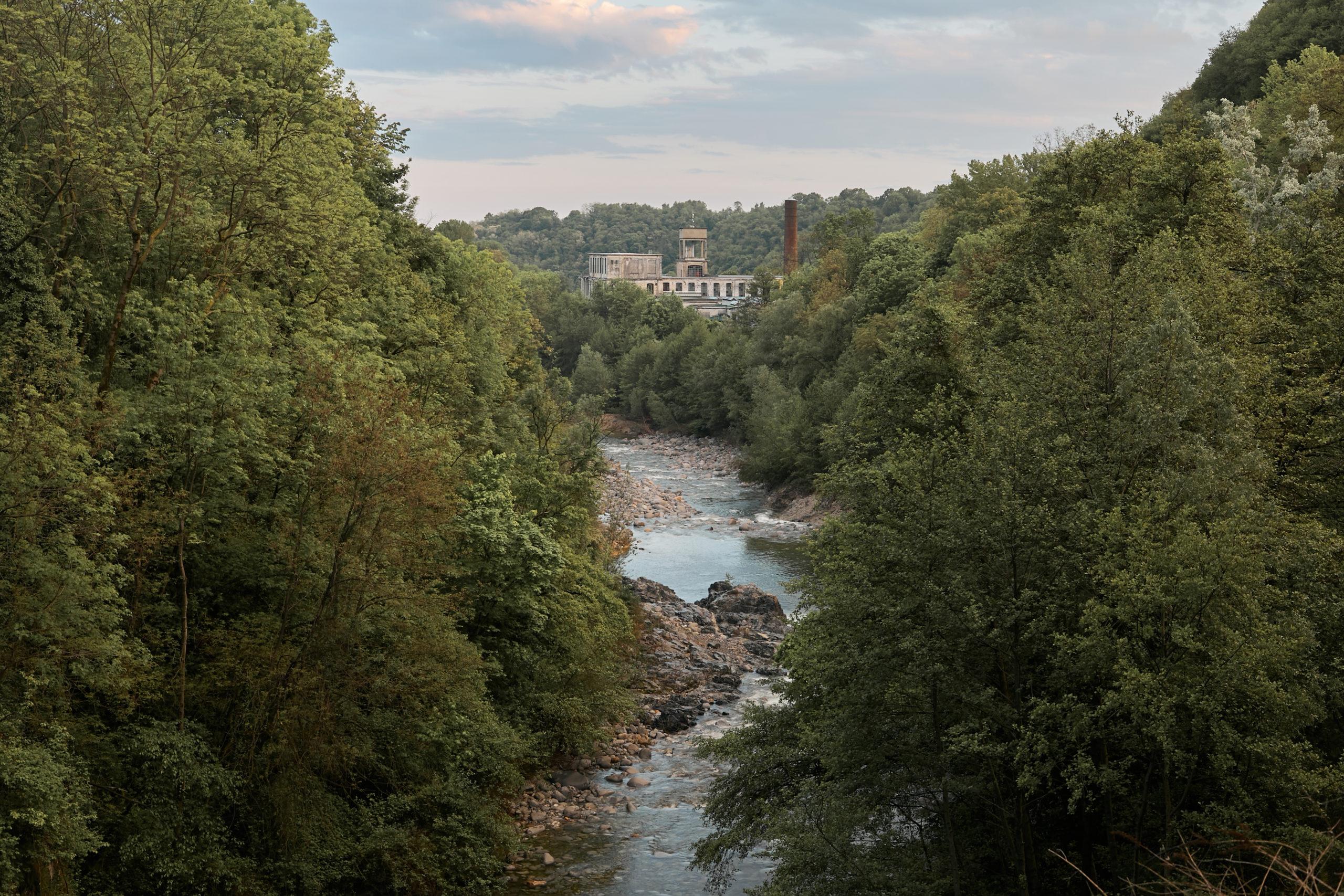
Consciously or not, my attention turned itself to the slowness of a place where time seems to have written new rules. I strongly felt the patient and unstoppable onward march of nature, as it takes back what was once taken away. I perceived the contradiction between feelings of abandonment of the industrial landscape and the relief of people who walk there in search of peace and quiet. I appreciated the pastel colors, softly created by the light mist we so often scorn. I turned my gaze to prime materials: stone, wool and wood, things we have lost the ability to communicate with, despite the fact that they have so much to say to us. Too often we forget the origin of some objects, as we do with their final destination.
Perhaps it represents a sorrowful letter of the love lost for solitude and silence, for the sceneries of Romanticism, which give no answers to our questions, but render us alone and that nowadays make us so afraid. Furthermore, it reflects on the fact that over the course of the twentieth century, industrialization made us used to a different concept of countryside.
Nature has been forced into a secondary role: a setting, a background, a frame that contains as its picture industrial architecture. We need to switch the roles: understand the abandoned industrial spaces as the “new countryside” and place nature and prime materials at its centre, so they can take back what was taken from them.
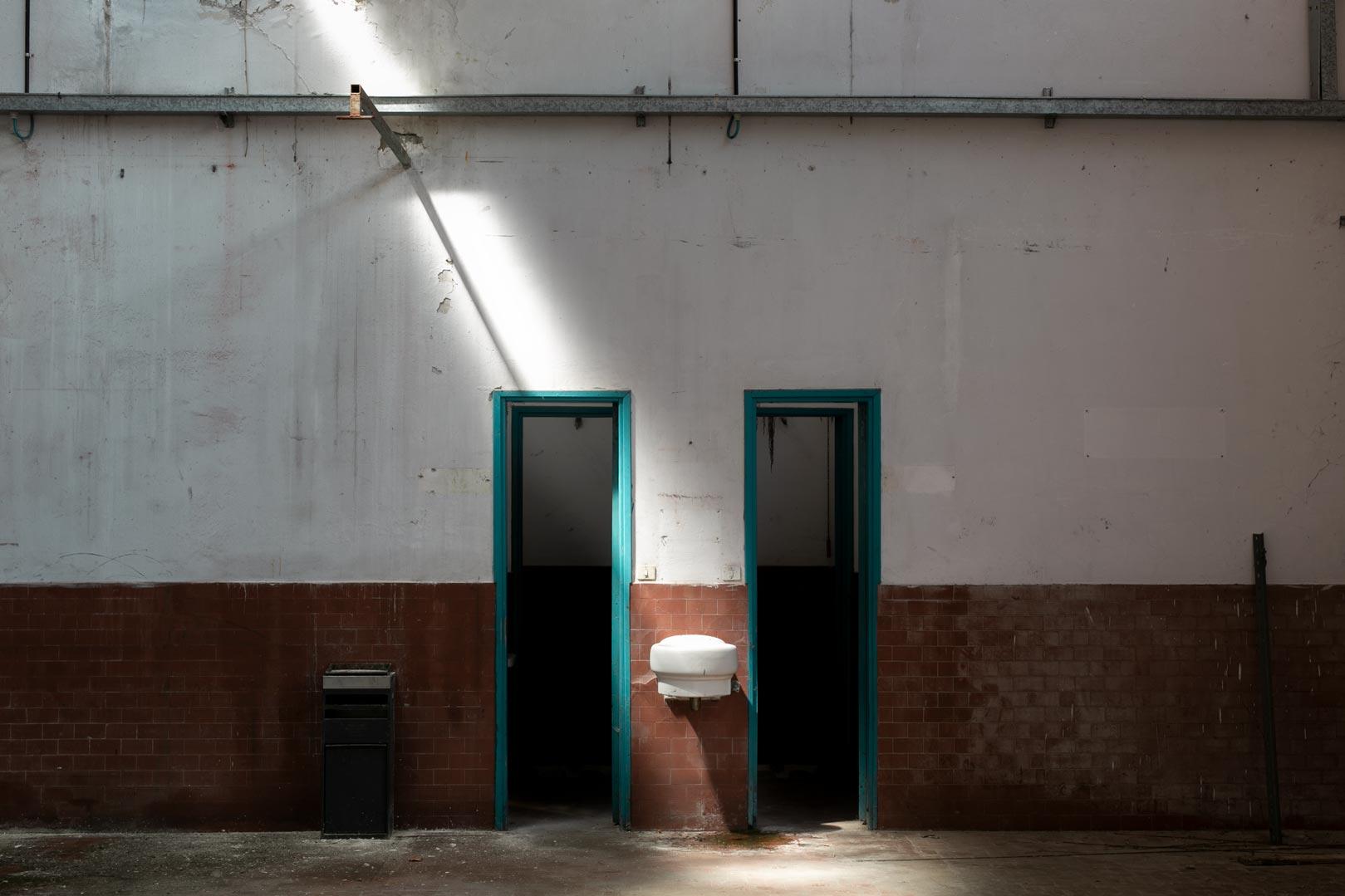
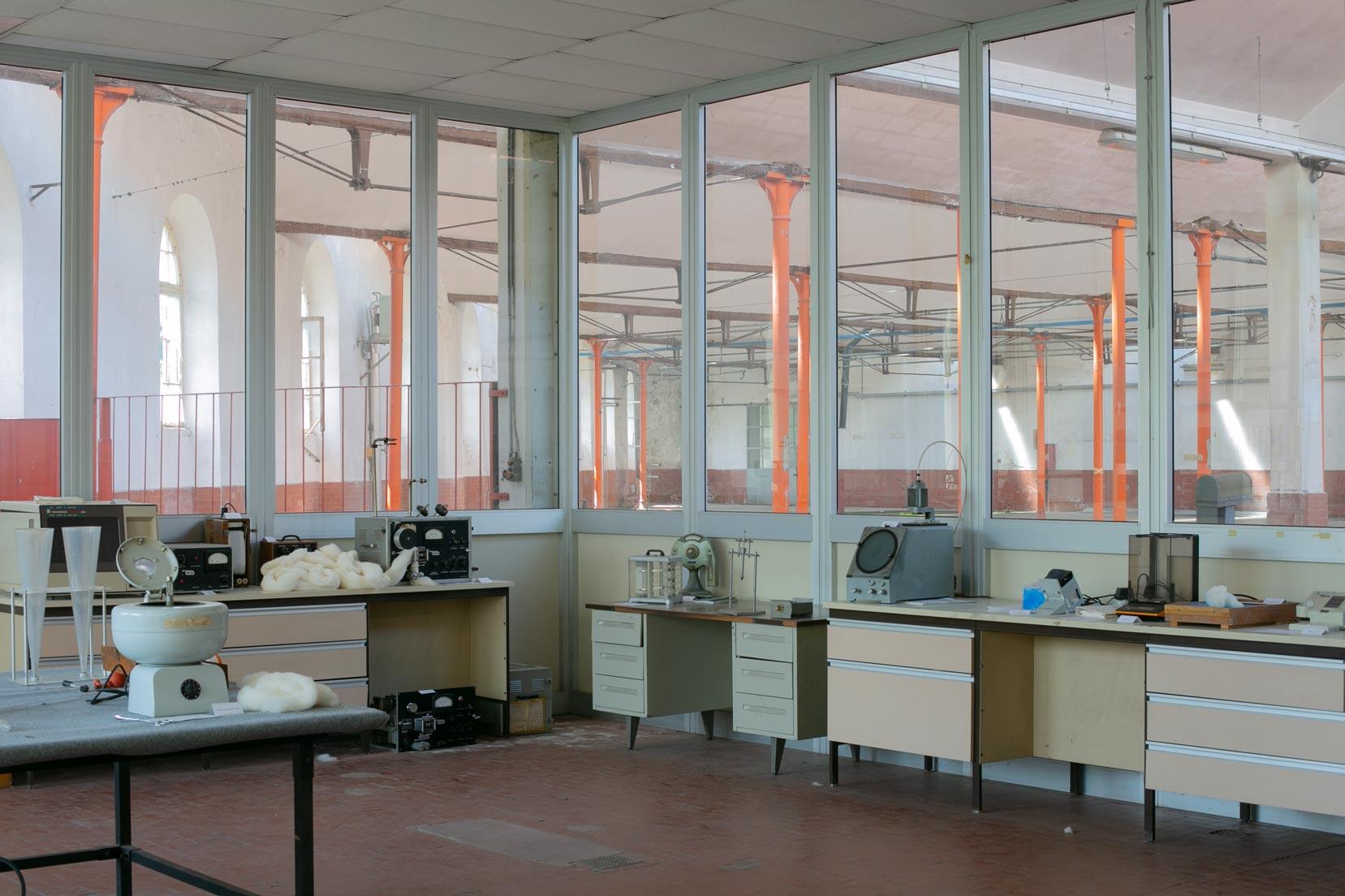
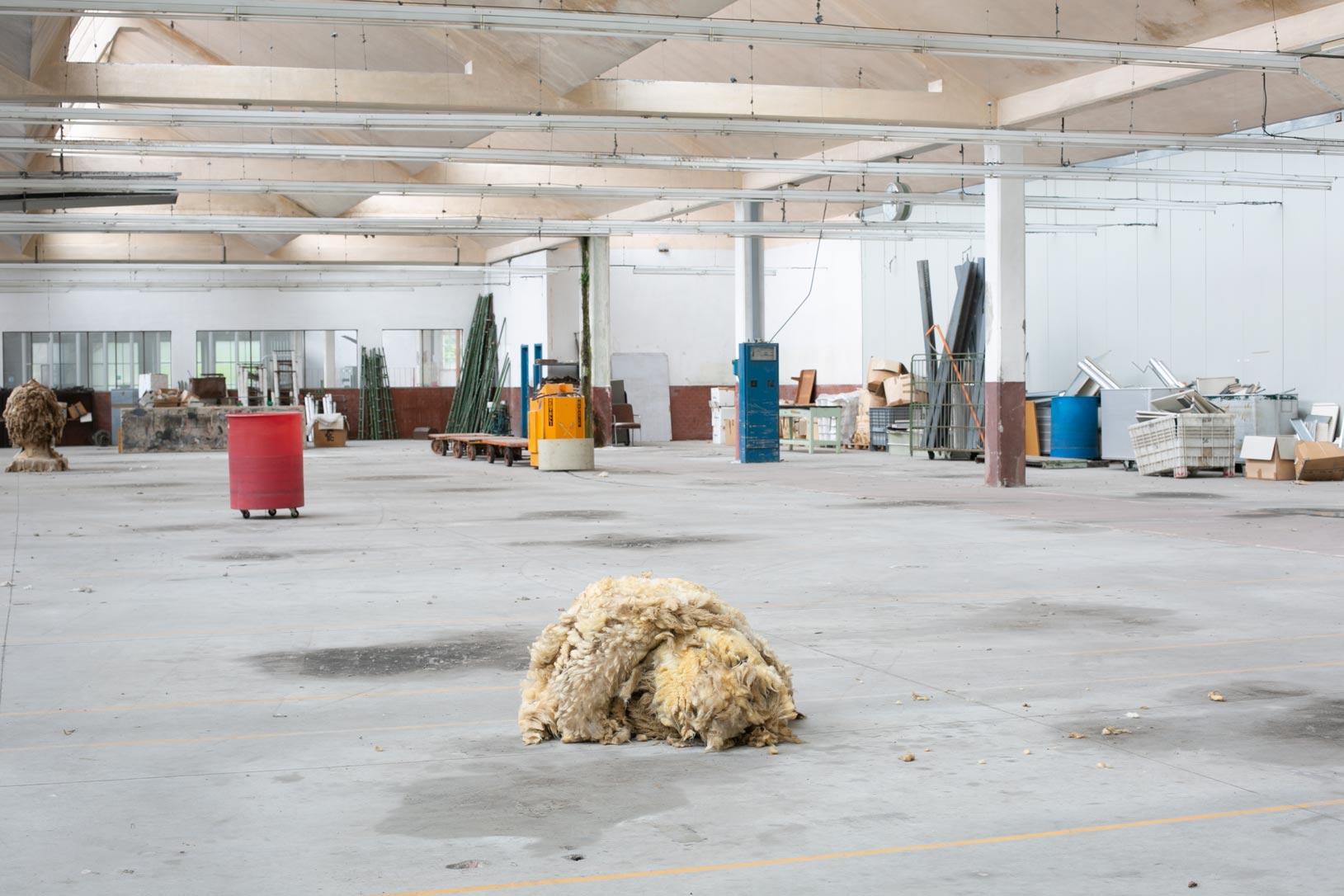
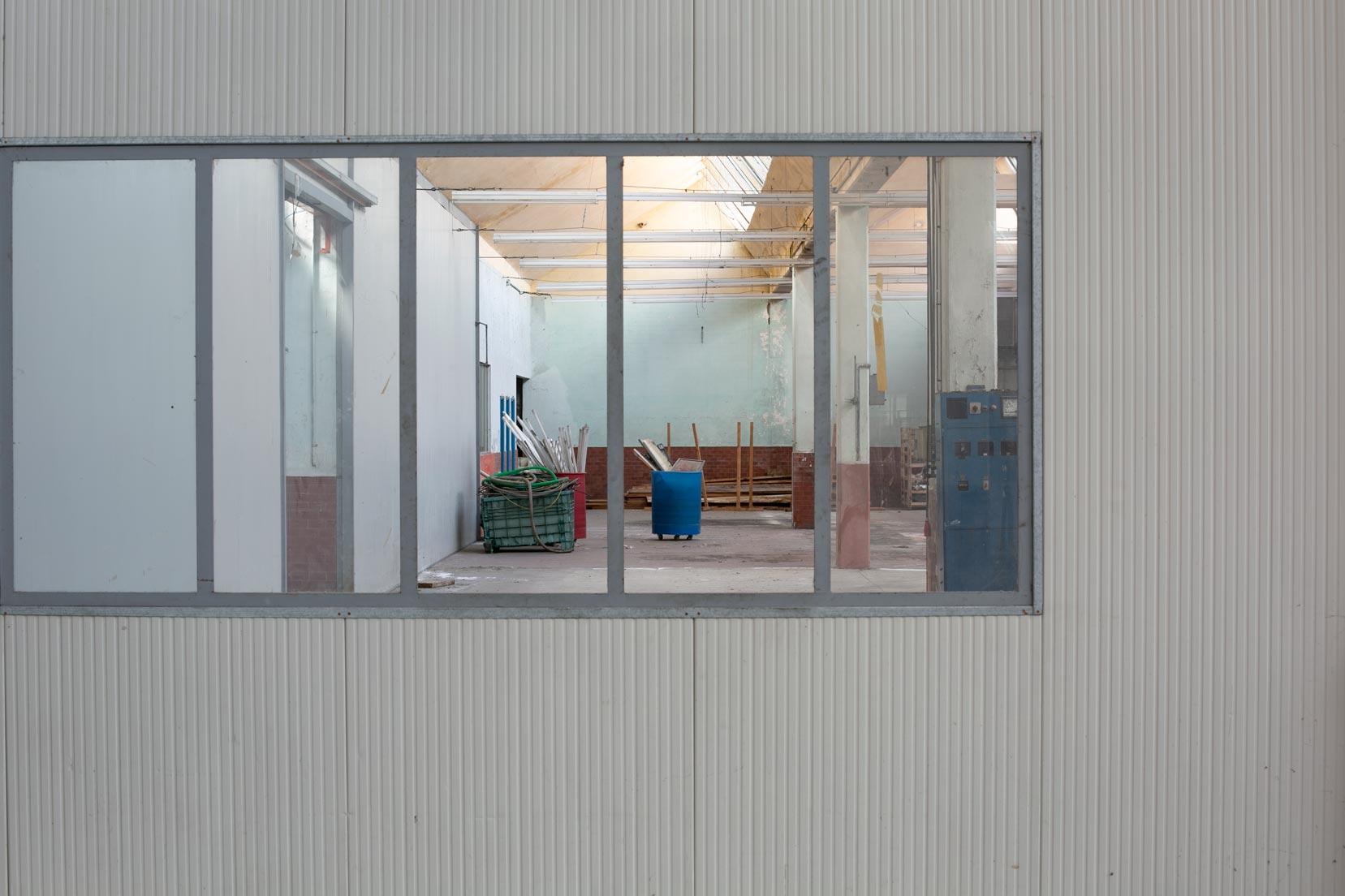
The photos were taken inside the former Poma cotton mill (later Botto woolen mill), whose production was the heart of the area of Miagliano Biellese. The building there of an extremely efficient neighbourhood for workers represents the first real example of industrial welfare in the region.
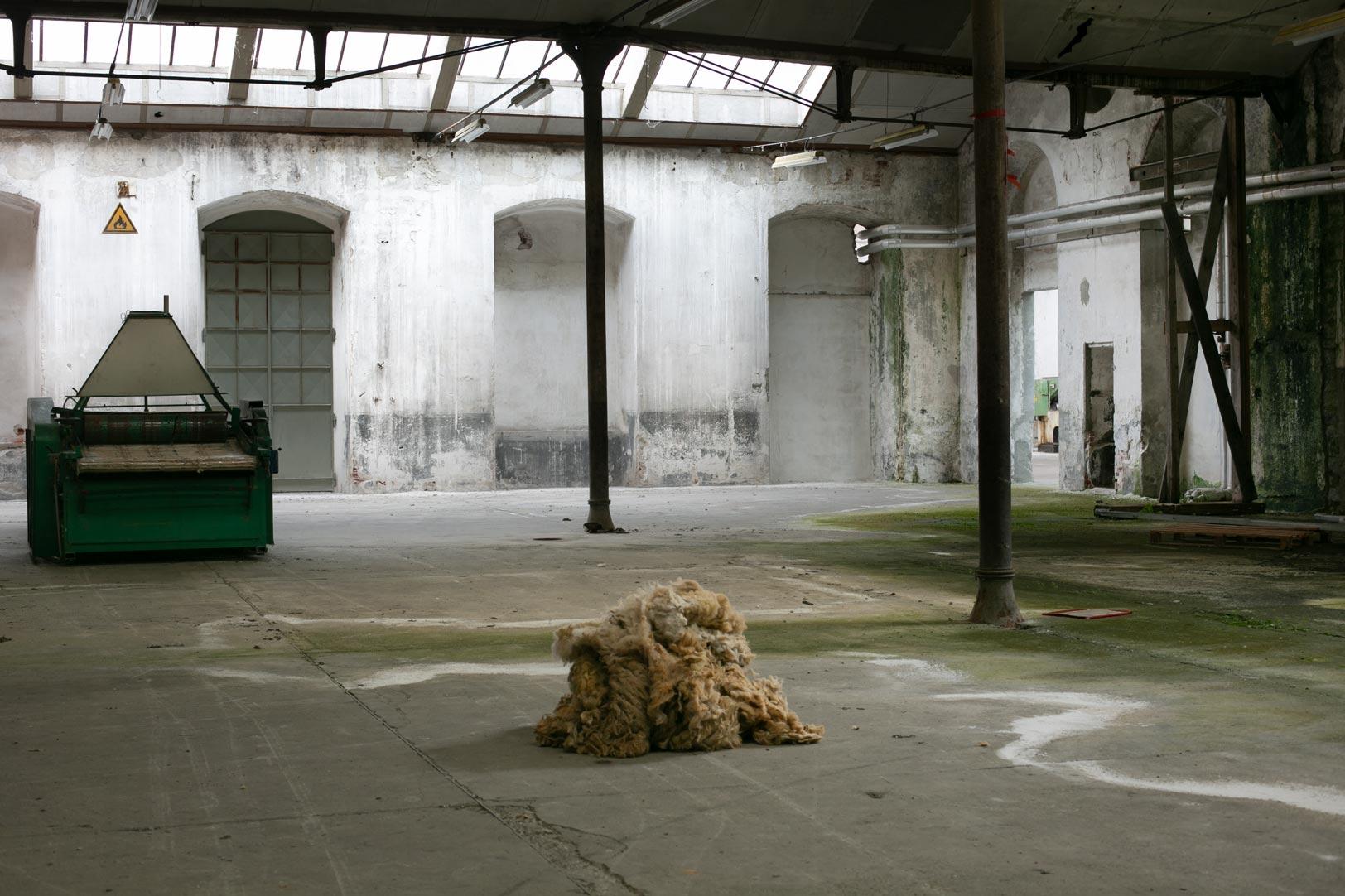
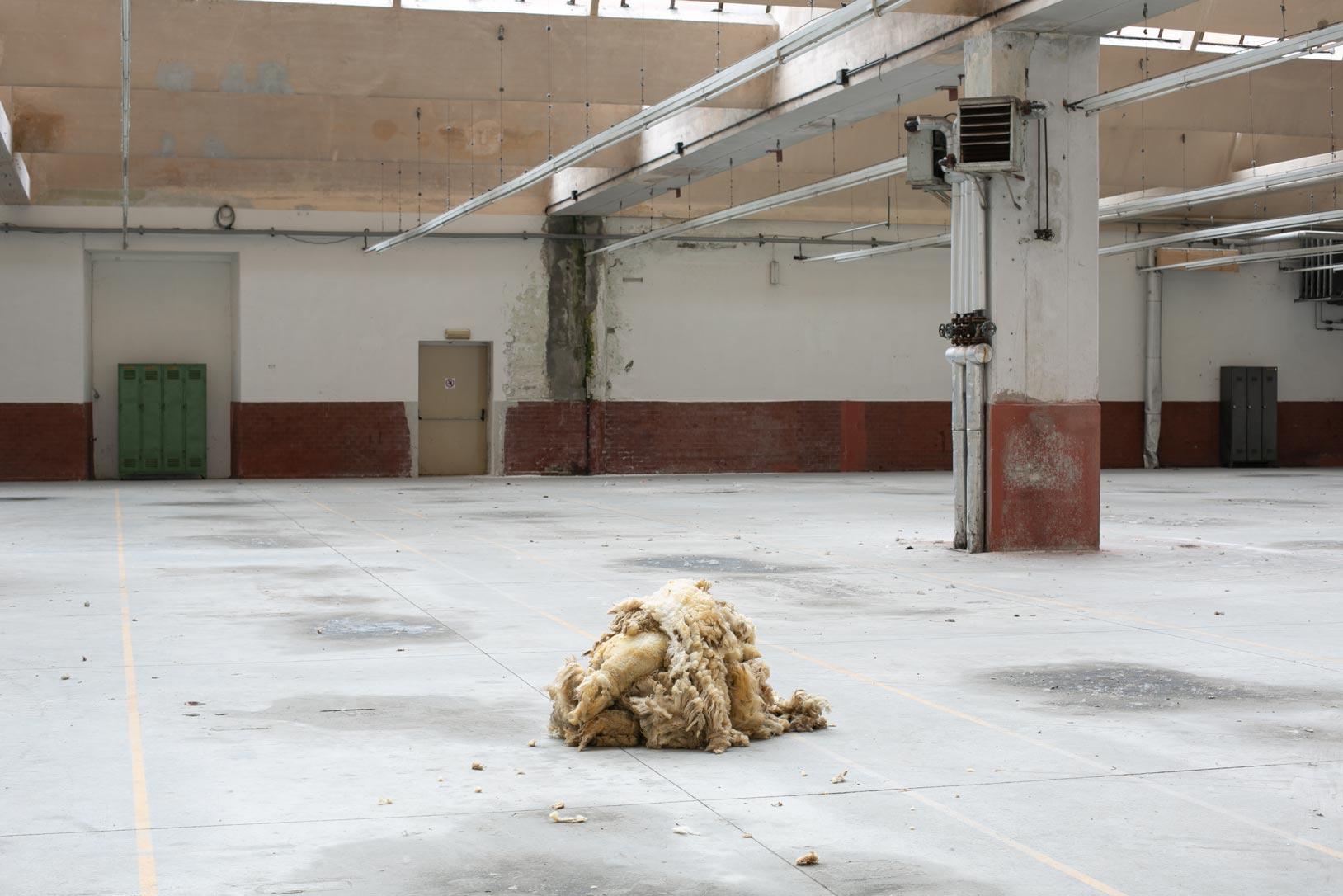
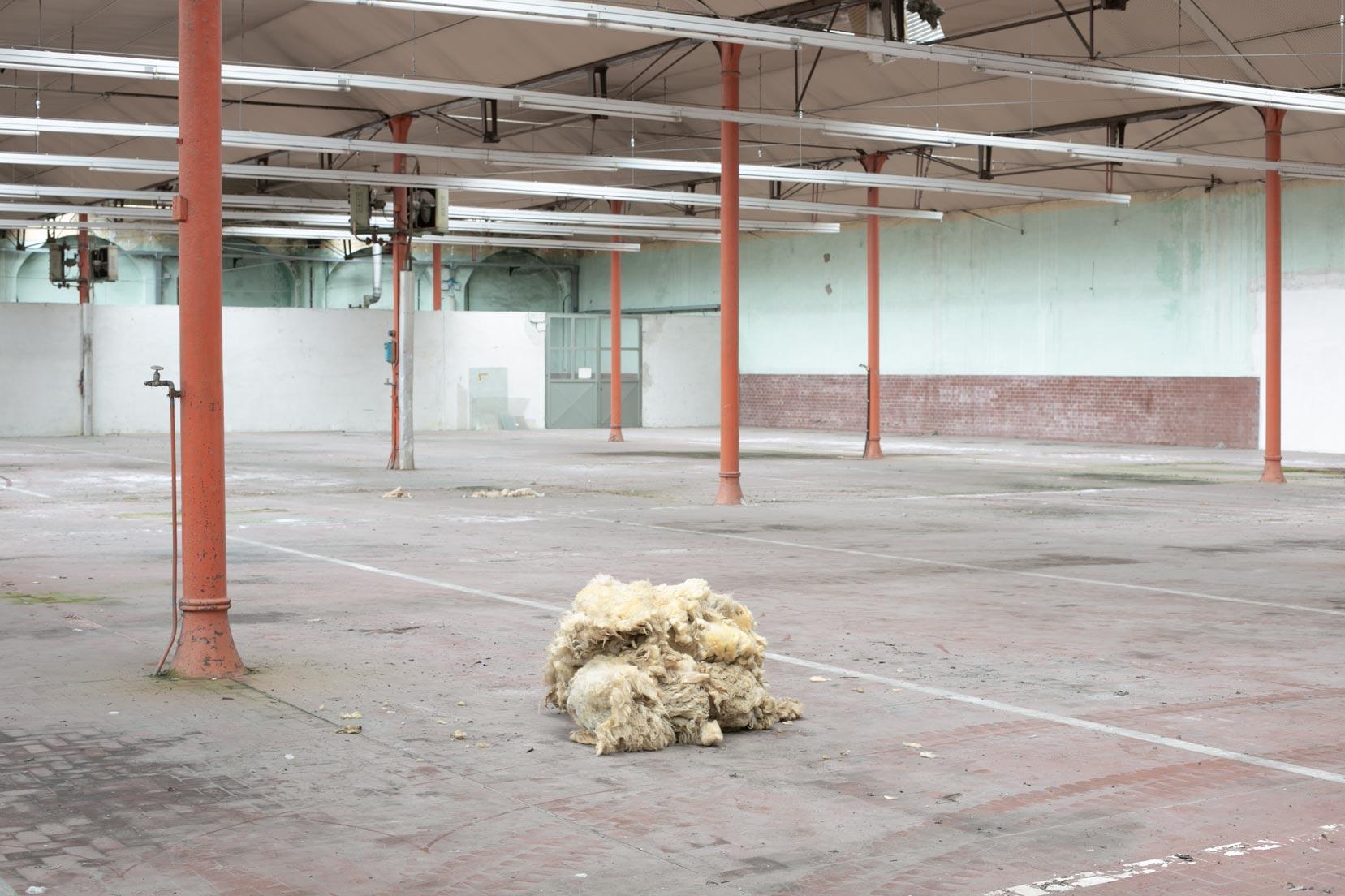
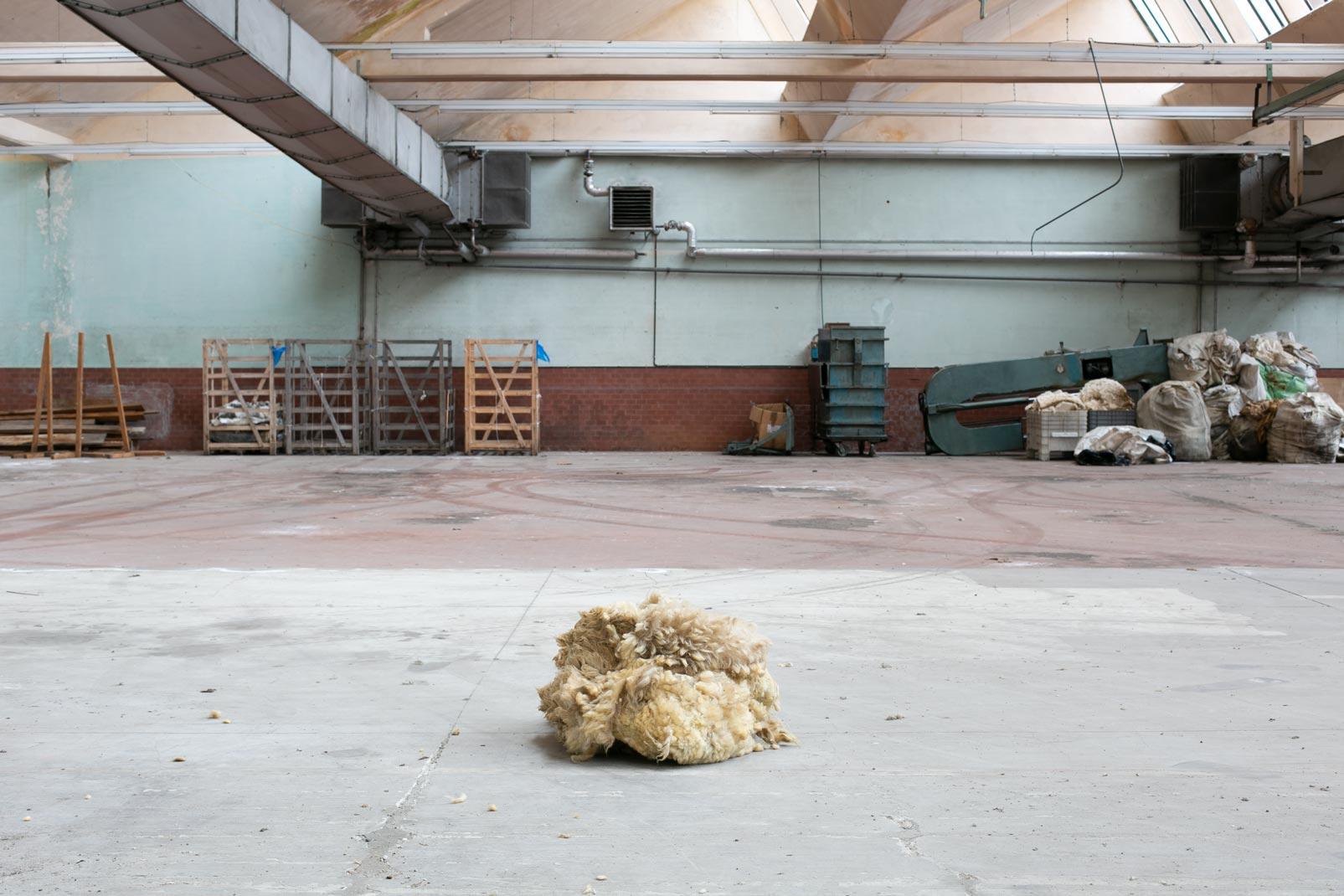
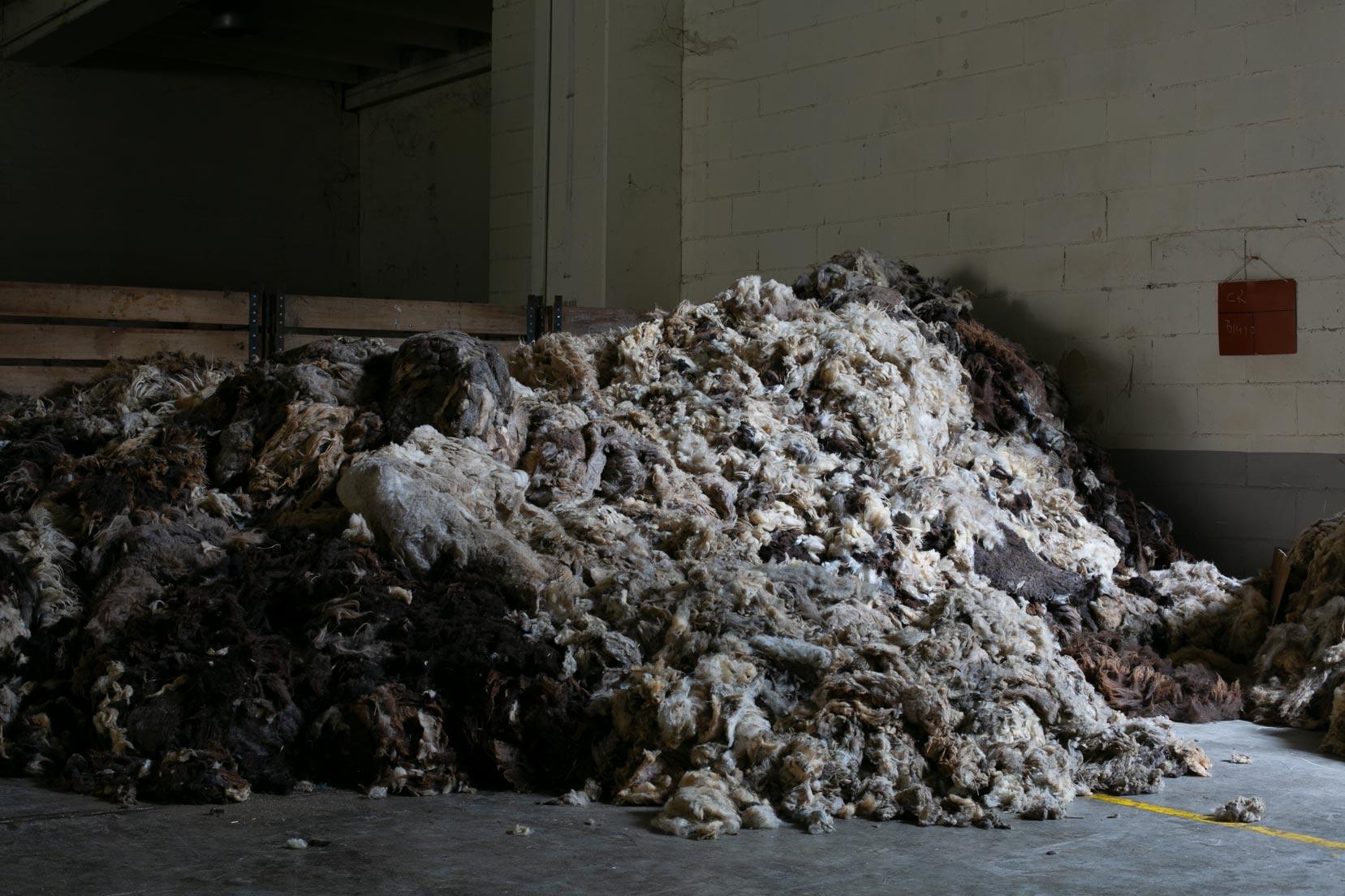
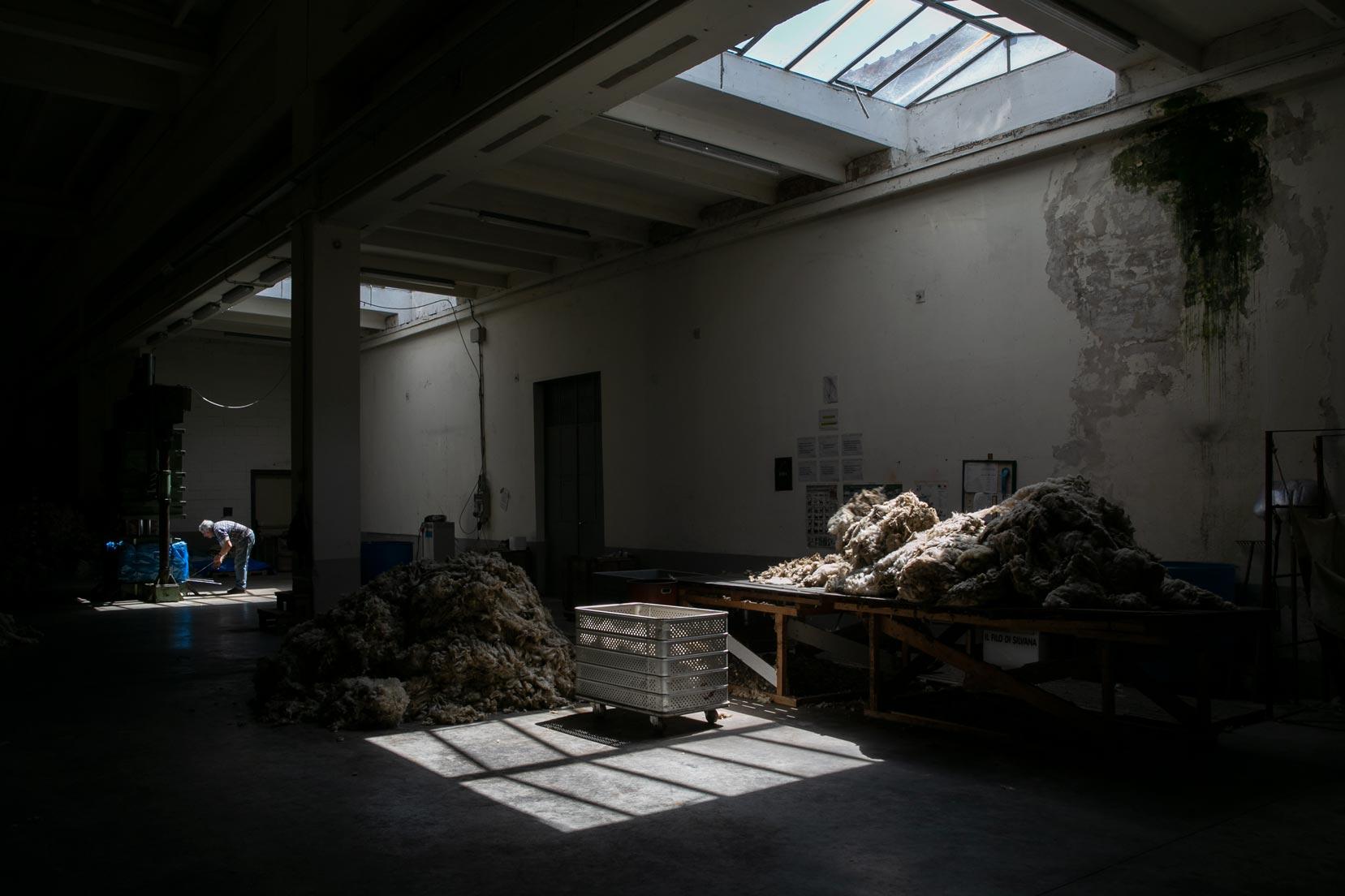
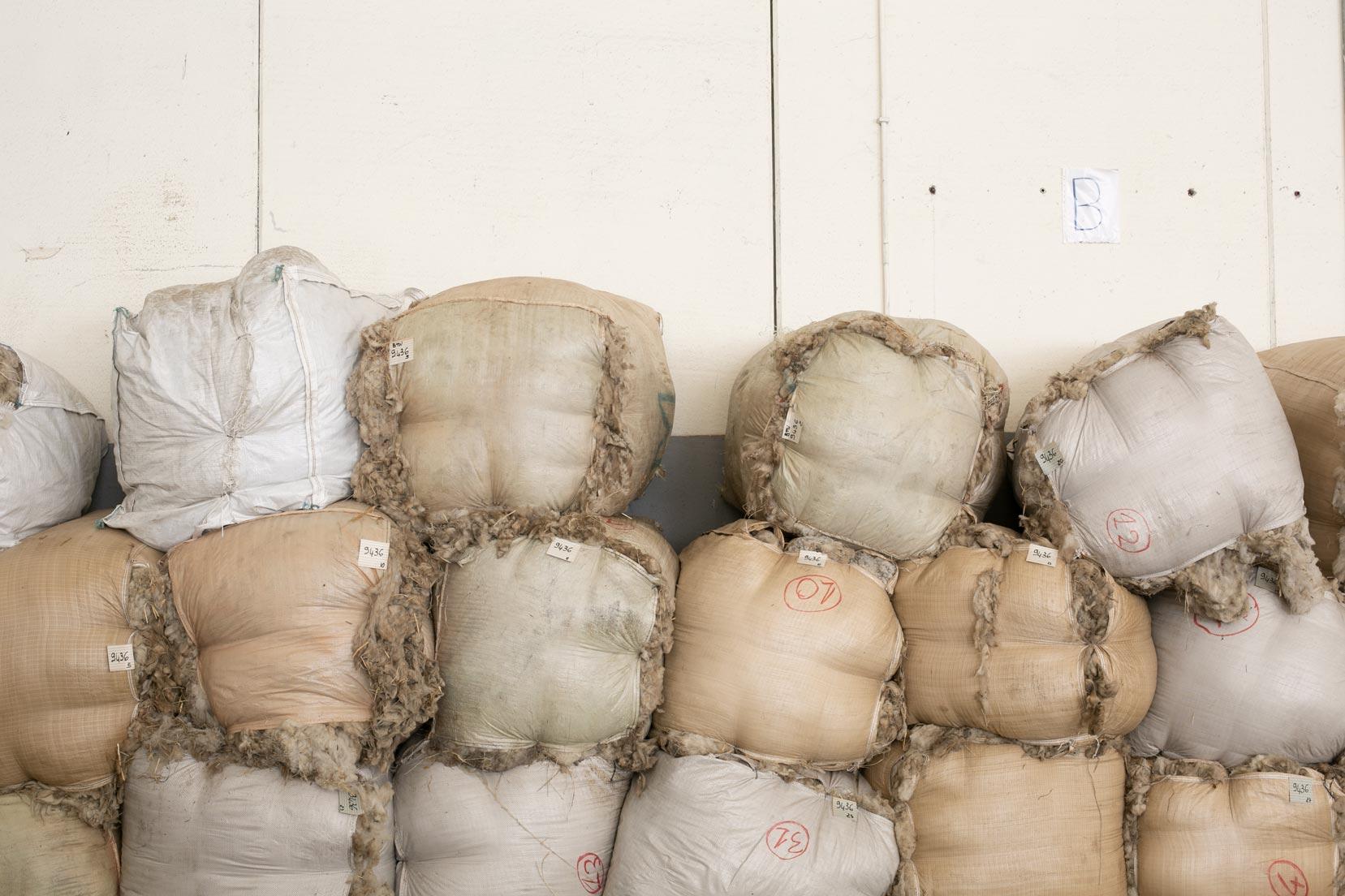
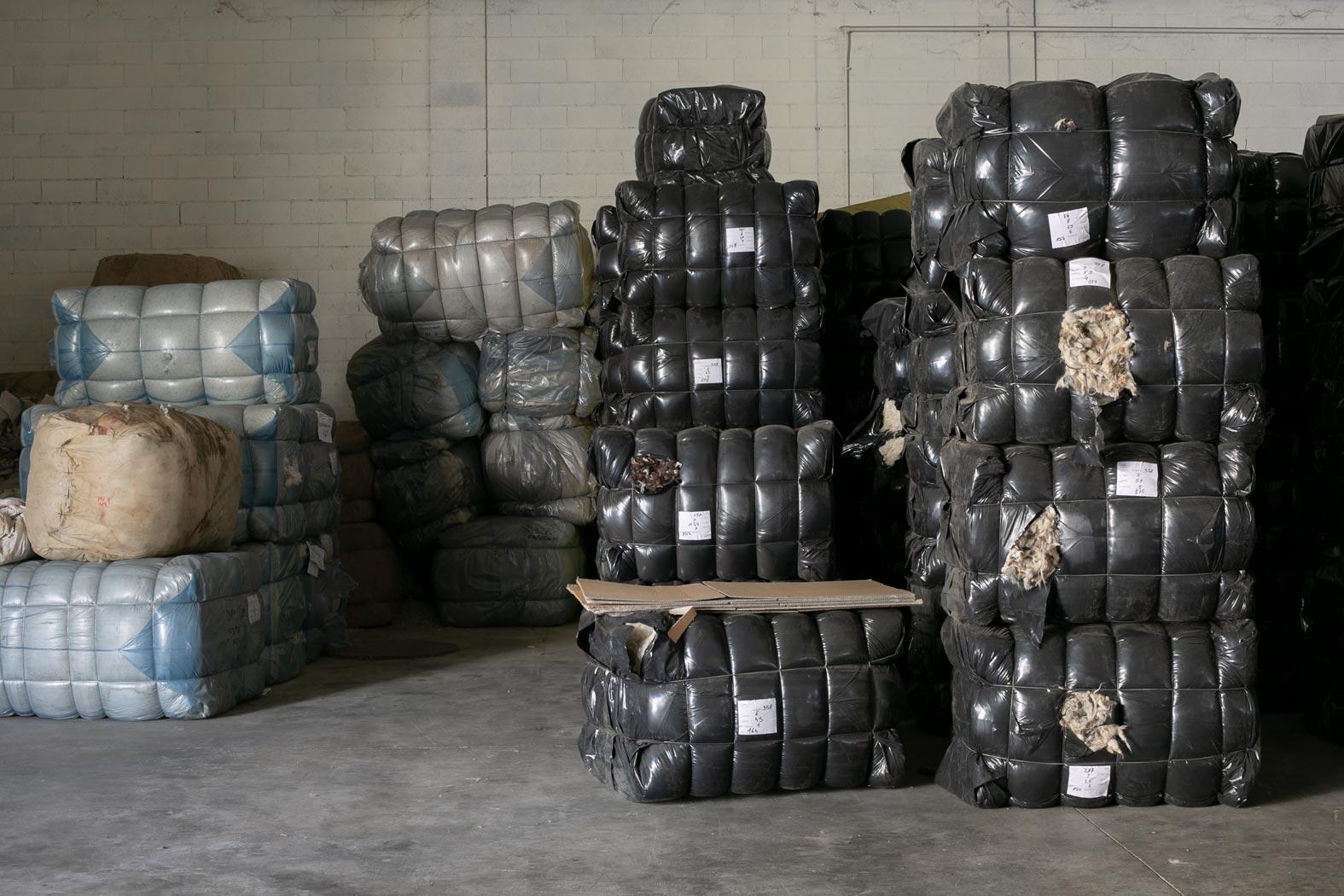
In the photos, piles of grimy wool, at one time the engine of the industry, the town and the entire region, are depicted as the subject, inside the rooms of the long abandoned woollen mill, now a form of “industrial countryside”.